
Description
Grown in the Jinotega highlands and Swiss Water processed, this carbonic macerated decaf delivers a syrupy profile of concord grape and red apple. It offers a heavy body and vibrant golden kiwi acidity.
The Nicaragua Decaf Jinotega represents a sophisticated intersection of high-altitude viticulture and advanced fermentation science, sourced primarily from the Finca Idealista and partner micro-lots in the Jinotega region of Nicaragua. Managed by Gold Mountain Coffee Growers, these lots are situated at elevations between 1,300 and 1,600 meters above sea level, providing the necessary thermal density for premium Arabica varieties like Caturra, Catuai, and Pacamara. Unlike standard decaffeinated coffees that utilize lower-grade filler beans, the this SWP is treated as a competition-tier product from the moment of harvest, ensuring the raw material possesses the structural integrity required to survive complex processing without flavor degradation.
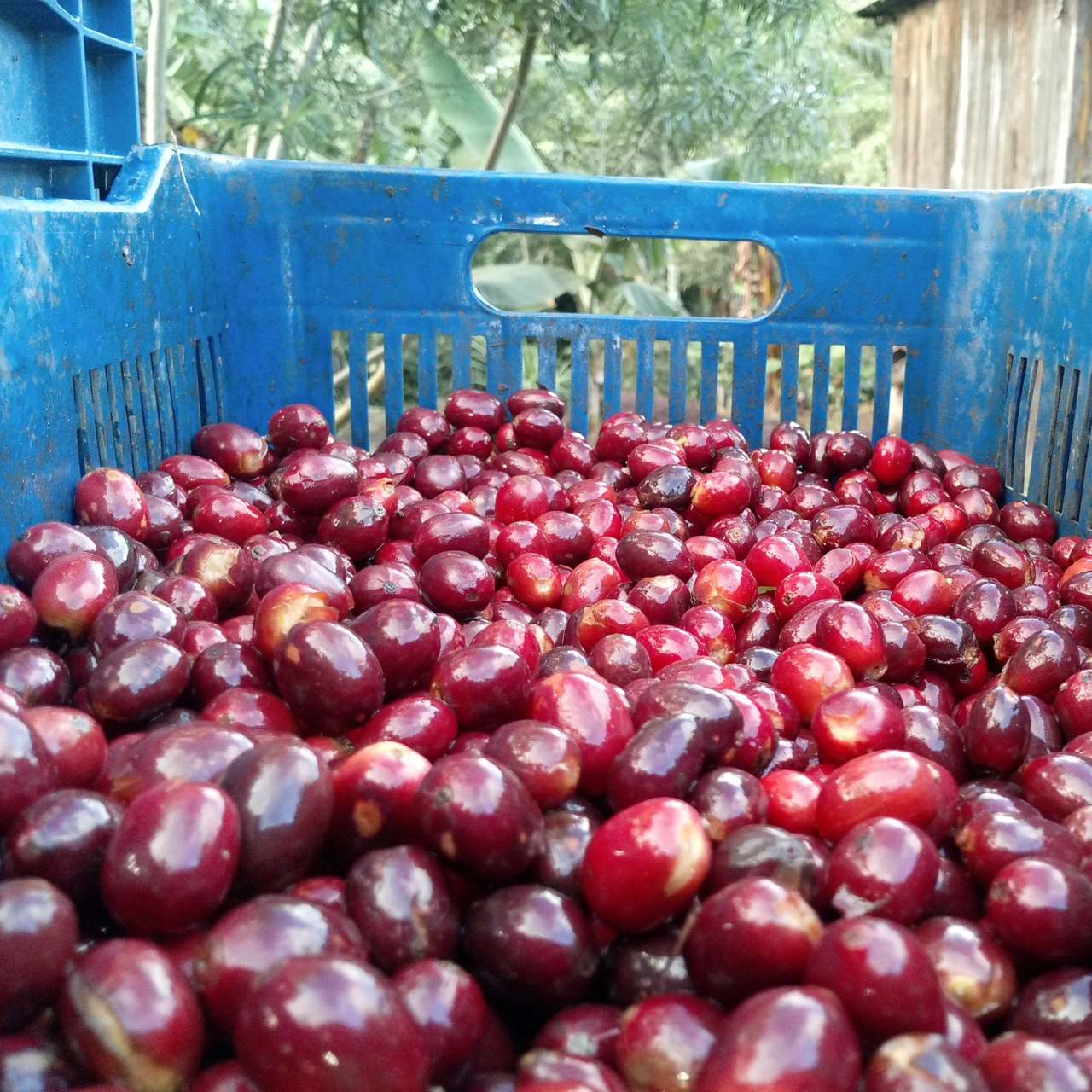
The specific sensory profile is achieved through an experimental carbonic maceration process, a technique adapted from high-end winemaking. Whole coffee cherries are placed into sealed stainless steel tanks where oxygen is purged and replaced with carbon dioxide, creating an anaerobic environment. This allows for a prolonged, controlled breakdown of sugars and mucilage, which develops the intense ester compounds responsible for the coffee’s signature notes of grape-berry jams, red apple, and a heavy, syrupy mouthfeel. This fermentation stage is critical, as it embeds a deep sweetness into the cellular structure of the bean that remains prominent even after the caffeine is removed.
Following the initial natural processing and drying, the coffee undergoes the Swiss Water process to reach a 99.9% caffeine-free state. This method is entirely chemical-free, relying on the principles of osmosis and the use of Green Coffee Extract to migrate caffeine molecules out of the bean while leaving the volatile flavor oils and organic acids untouched. Because this process avoids solvents like ethyl acetate or methylene chloride found in industrial decaffeination, the distinct carbonic characteristics are preserved. The final result is a technically precise coffee that offers the complexity and tactile experience of a high-end caffeinated microlot while maintaining a chemical-free, decaffeinated profile.
